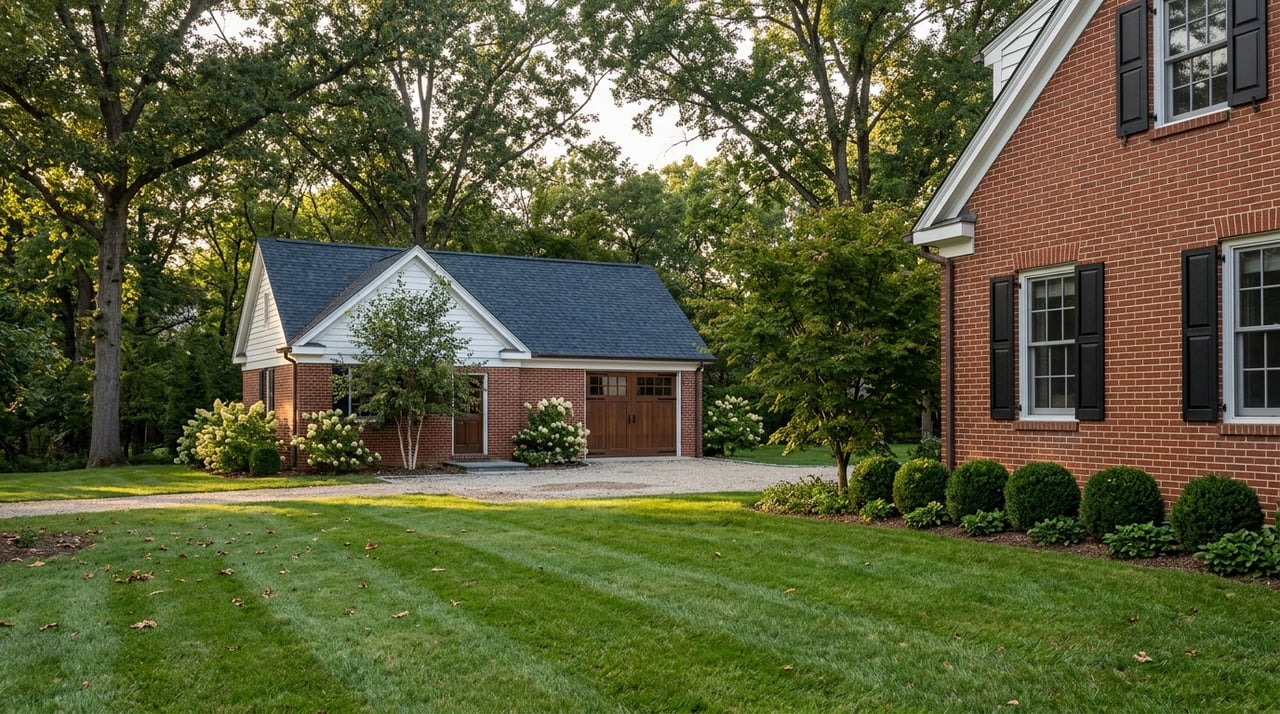
If you are dreaming about more space, more privacy, and room to spread out, buying a home on acreage in Kildeer can feel like the perfect move. It can also come with more questions than a typical subdivision purchase, especially when utilities, zoning, and future building plans vary from parcel to parcel. The good news is that with the right due diligence, you can buy with confidence and avoid expensive surprises. Let’s dive in.
Why Kildeer attracts acreage buyers
Kildeer is known for spacious lots, a natural setting, and custom homes. According to the village, it covers 2,625 acres, includes more than 25 subdivisions, and sits in the southwest corner of Lake County, about 29 miles northwest of Chicago.
That setting is a big part of the appeal if you want a property that feels more private and more flexible than a standard suburban lot. At the same time, Kildeer is not one-size-fits-all, so it helps to look closely at each property rather than assuming every large lot works the same way.
Know that acreage does not mean identical lots
One of the most important things to understand is that not every Kildeer property follows the same development pattern. The village identifies neighborhoods with different zoning categories, including R-1, PD-1, PD-2, and R-1 PUD, with examples such as Meadowood Estates, Tall Oaks, The Ponds, Heron’s Crossing, and Westbury.
For you as a buyer, that means lot size, setbacks, HOA rules, and what you can build may change significantly from one parcel to the next. Two homes may both look like "acreage properties" on paper, but the ownership experience can be very different.
Why parcel-level review matters
If you are comparing homes, do not stop at square footage and list price. You also want to confirm how the lot is zoned, whether there are HOA restrictions, and whether the usable yard area actually matches your plans.
This matters even more if you hope to add a detached garage, shed, pool house, or other accessory structure later. On larger lots in Kildeer, the real question is often not just “Do I like this house?” but also “What can I do with this property over time?”
Check utilities one property at a time
Acreage buyers often assume a large-lot home will have a private well and septic system. In Kildeer, that assumption can be wrong.
The village says Aqua America provides water service only for the Sanctuary Club and Preserves of Kildeer subdivisions, while Lake County Public Works provides sanitary sewer service to certain areas of the village. In other words, one home may have public utilities while another nearby property may not.
Questions to ask about utility service
Before you move forward, confirm:
- Whether the home uses public water, a private well, or another setup
- Whether the home is connected to public sewer or relies on an onsite wastewater system
- Whether utility records match what is represented in the listing
- Whether any future addition or outbuilding could affect septic placement or approvals
This is one of the easiest areas for buyers to make assumptions, so it is worth verifying early.
Understand well and septic due diligence
If the property uses a private well or septic system, your due diligence should go deeper than a typical suburban home inspection. Lake County regulates onsite wastewater treatment systems on properties that are not served by public sewer, reviews plans, conducts on-site inspections, and tracks required maintenance.
The county also notes that well and septic evaluations are commonly requested during a sale or refinance and may be required by a lender or buyer. If the county performs the evaluation, it can review records, inspect the septic system, inspect the well, and sample water for coliform bacteria and nitrates.
What a county evaluation can and cannot cover
Lake County states that its evaluation does not pump tanks or test a well’s flow rate. That means you may need additional inspections depending on the property and your lender’s requirements.
For many acreage buyers, this is a smart place to be thorough. A parcel may look ideal from the road, but the function and condition of the well and septic system can have a major impact on your budget and future plans.
Review zoning before you fall in love
Kildeer’s R-1 district is designed for low-density residential use and large lots. The village code says this district supports single-family dwellings on large lots where minimum community services may be appropriate.
That sounds simple, but the actual rules matter. If you want room for expansion, outdoor features, or accessory buildings, you should understand how lot dimensions and setback requirements shape what is possible.
Key R-1 standards to know
According to the village code, the R-1 district includes these standards:
- Minimum lot size: 1 acre
- Minimum lot width: 150 feet
- Minimum lot depth: 175 feet
- Private septic systems are prohibited on lots smaller than 1 acre
- Front yard setback: 75 feet
- Side yard setback: 35 feet each side
- Rear yard setback: 50 feet
- Maximum lot coverage: 35 percent
- Maximum building height: 35 feet or 2.5 stories, whichever is lower
- Minimum habitable floor area for a single-family home: 2,500 square feet
- Minimum habitable ground-floor area for a two-story home: 1,500 square feet
These numbers can have a real effect on how much of the lot is truly usable. A one-acre parcel may sound generous, but setbacks and coverage limits can narrow your options more than you expect.
Think ahead about accessory buildings
A lot of buyers are drawn to acreage because they want flexibility. Maybe you picture a detached garage, workshop, gazebo, shed, or pool house. In Kildeer, accessory buildings are often allowed, but they are tightly regulated.
The village requires permits for structures such as sheds, gazebos, and detached garages. For most properties, accessory buildings must be 75 feet from the front lot line, 35 feet from the side and rear lot lines, and at least 10 feet from the principal house.
Other accessory building limits
The village code also says:
- Accessory buildings cannot be taller than the principal building
- There is an absolute accessory building height cap of 15 feet
- Combined accessory building floor area is capped at 30 percent of the principal building’s floor area
- No accessory building may be built before construction begins on the main house
The village also notes that HOA rules may further affect where an accessory building can go. If the property uses septic, the Lake County Health Department must approve the building location through a property alteration request before the village issues the permit.
If adding outbuildings is part of your long-term plan, this should be reviewed before you finalize the purchase. What looks possible on a survey or aerial image may not line up with actual approvals.
Budget for ownership beyond the mortgage
Acreage ownership in Kildeer often means more upkeep than a typical subdivision lot. While the research does not provide a published cost estimate, village and county rules strongly suggest that larger lots can involve more maintenance, more permitting, and more planning over time.
That can include private utility care, long driveways, drainage work, mature tree maintenance, and broader landscape upkeep. The village requires permits for driveways, culverts, accessory buildings, additions, and many other improvements, which means changes to the property may involve both time and cost.
Site conditions can shape future costs
For new homes, Kildeer requires plans showing existing trees six inches or larger, natural features, and a tree replacement plan. For wooded lots, the village also requires a tree preservation plan.
That is a useful signal for buyers of existing homes too. On larger parcels, the yard is not just lawn. Trees, grading, drainage, and other site conditions can all influence how easy or costly the property is to maintain and improve.
What to confirm before closing
If you are serious about buying a home on acreage in Kildeer, a strong due diligence checklist can protect you. This is especially true if you are relocating, buying remotely, or comparing several large-lot homes at once.
Here are some smart items to confirm before closing:
- Zoning classification for the parcel
- Any HOA rules or planned development restrictions
- Water source and sewer or septic setup
- Available records for the well and septic system, if applicable
- Whether a well and septic evaluation should be ordered
- Setbacks and lot coverage rules that affect additions or outbuildings
- Permit history for major improvements
- Site features that may affect future costs, such as trees, grading, and drainage
Acreage purchases reward buyers who ask practical questions early. The goal is not to make the process harder. It is to make sure the property fits how you actually want to live.
Why local guidance matters in Kildeer
Kildeer can be a great fit if you want space, privacy, and a more customized property experience. But because utilities, zoning, and improvement rules can vary so much, local knowledge matters.
A hands-on broker can help you look beyond the marketing photos and focus on the details that shape daily ownership. That is especially valuable if you are buying from out of area, balancing a move on a tight timeline, or trying to compare homes that seem similar but are governed very differently.
If you are considering a home on acreage in Kildeer, working with a responsive local expert can help you sort through parcel-specific details, line up the right questions, and move forward with clarity. When you are ready to talk through your goals, connect with Ashlee Fox for concierge-level guidance tailored to your move.
FAQs
Do all Kildeer acreage homes use private wells and septic systems?
- No. The village says some subdivisions have public water service, and certain areas have public sewer service, so utility setup should be confirmed for each parcel.
What should buyers check before purchasing acreage in Kildeer?
- Buyers should confirm zoning, setbacks, HOA rules, utility service, well and septic records if applicable, and whether future plans for additions or outbuildings are realistic under village and county rules.
Can you add a shed or detached garage on a Kildeer acreage property?
- Often yes, but permits are required, setbacks apply, HOA rules may affect placement, and septic properties may need Lake County Health Department approval before the village issues a permit.
What are the basic R-1 lot rules in Kildeer?
- In the R-1 district, the village code lists a 1-acre minimum lot size, 150-foot minimum width, 175-foot minimum depth, and specific front, side, and rear setback requirements.
Should buyers order a well and septic evaluation in Kildeer?
- If the property uses those systems, a well and septic evaluation is a common due diligence step, and Lake County says lenders or buyers often request it during a sale or refinance.