Trying to read a northwest suburban listing the same way you read a Chicago city listing can lead you in the wrong direction fast. A town name that looks familiar may not tell you the full story on schools, taxes, lot size, or even the commute. If you are searching in places like Arlington Heights, Palatine, Barrington, or Lake Zurich, this guide will help you decode what listing remarks really mean so you can compare homes with more confidence. Let’s dive in.
Why Suburban Listings Feel More Complicated
In Chicago, you may be used to reading a listing through the lens of neighborhood, building type, and transit access. In the northwest suburbs, the listing often needs to be read through several layers at once. That can include the municipality, school district, taxing districts, association structure, and commuter options.
This matters because the town name alone does not always tell you how a home is assigned. Barrington 220 spans four counties and covers a 72-square-mile area. CCSD 15 spans about 35 square miles across parts of seven northwest suburban communities, and high school districts like 211 and 214 also serve multiple municipalities.
For you as a buyer, that means two homes with the same suburb in the address may connect to different district maps, tax structures, or commute patterns. The address matters more than the label in the headline.
Read the Address, Not Just the Town
When you see a listing in Arlington Heights or Palatine, do not assume the suburb name gives you the full picture. Arlington Heights-area listings may involve District 25 for elementary and middle grades and District 214 for high school. In the Palatine area, a home may involve CCSD 15 and District 211.
That split is one reason suburban listing language can feel dense. The same town can sit inside different district layers, and the exact property address is what determines the assignment. If you are relocating from the city or buying remotely, this is one of the first details worth confirming before you schedule a showing.
Decode School Mentions Carefully
School references in listing remarks should be treated as address-specific, not town-wide. District tools can help, but even those tools come with limits. District 15 notes that its map may not reflect programmatic placement, Lake Zurich 95 says its address lookup is a convenience and not a guarantee, and District 25 advises buyers to verify boundaries through district and county resources.
The practical takeaway is simple: use school references in a listing as a starting point, not a final answer. If a school assignment is important to your search, confirm the exact address before you make decisions based on the remarks.
Common District Patterns in the Northwest Suburbs
A few examples can help you compare listings more clearly:
- Barrington area: Barrington 220 is a unit district serving K-12.
- Palatine area: Listings often require you to read both CCSD 15 and District 211.
- Arlington Heights area: Listings often require you to read District 25 and District 214.
- Lake Zurich area: Lake Zurich CUSD 95 is a single community unit district, but address-level verification still matters.
If you are comparing homes across several suburbs at once, this framework helps you ask better questions early.
Lot Size and Photos Can Tell Different Stories
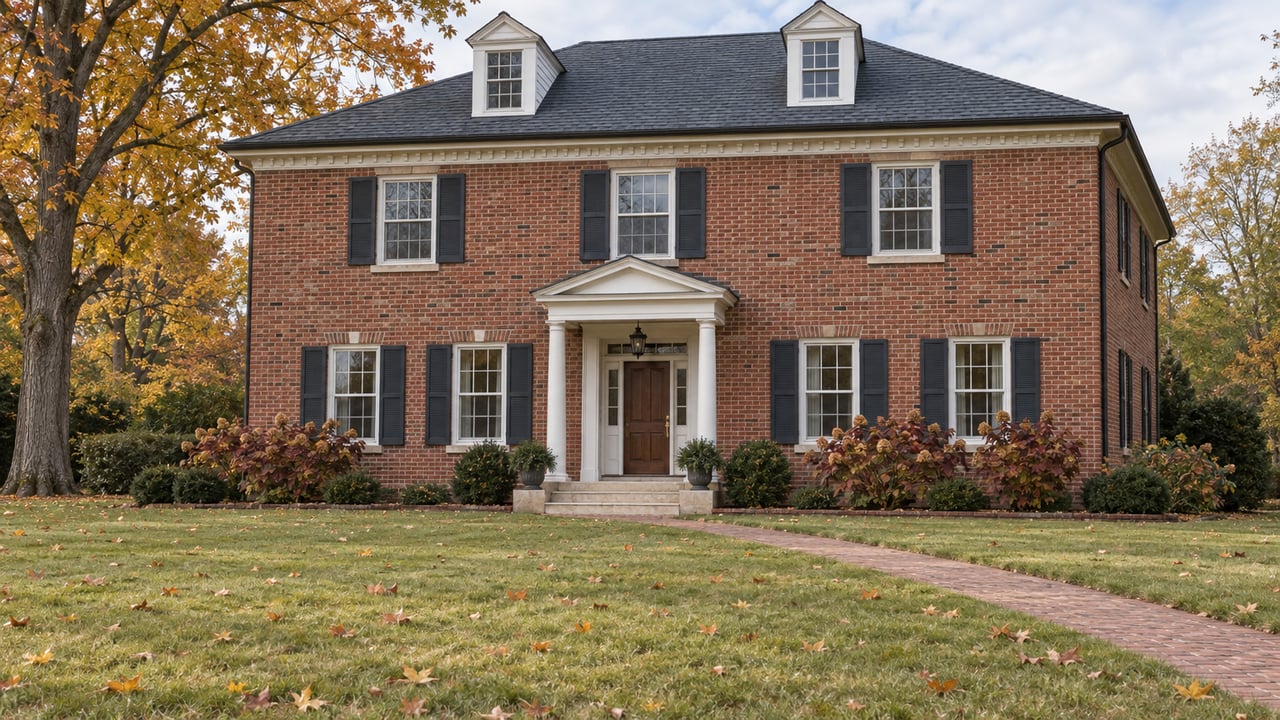
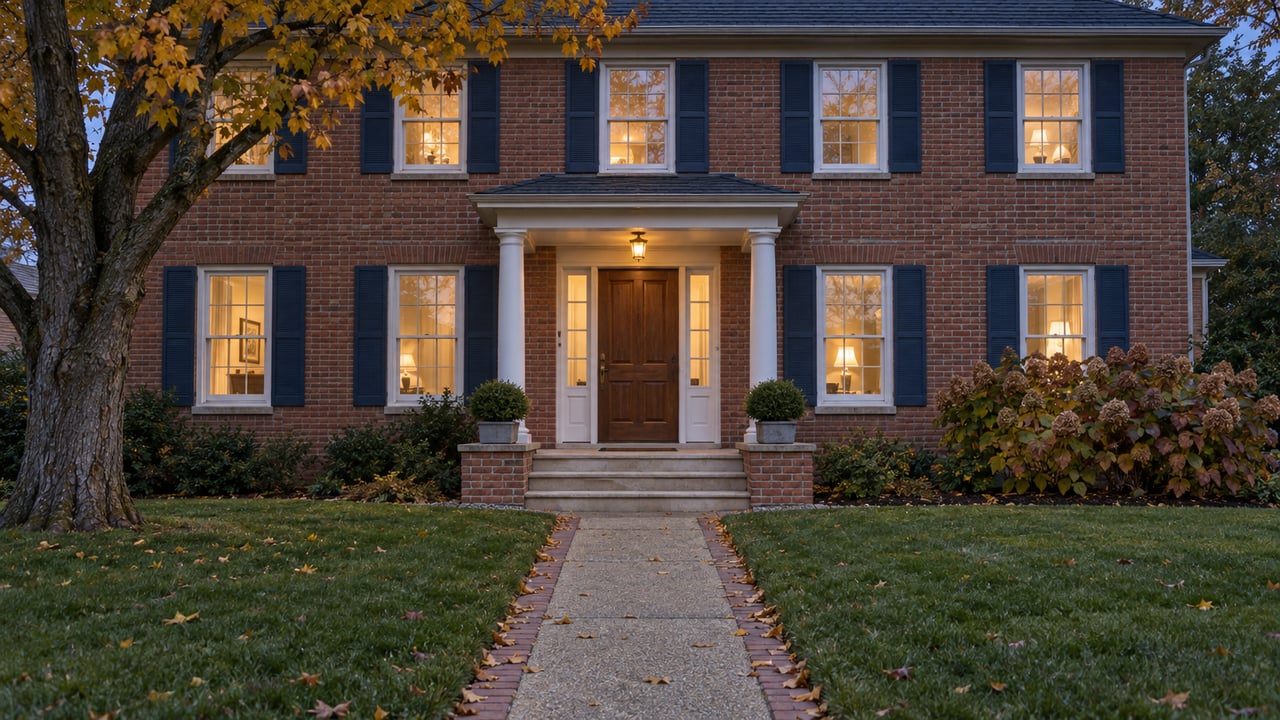
Suburban listings often showcase yards, side lots, tree lines, and long driveways in a way that feels very different from city listings. That visual space can be a major draw, especially if you are moving from Chicago and want more outdoor room. Still, photos and legal parcel size are not always the same thing.
Cook County’s property viewer describes property size as measurable dimensions that usually include building and parcel size. Lake County parcel layers also separate acreage labels, land-area square-foot labels, and tax parcel lines. In other words, the outdoor space you see in photos may not perfectly match the legal lot area tied to the property.
That is why lot size should be checked beyond the marketing description. A large-looking rear yard, wooded edge, or extra-wide side yard may create a strong impression, but you want to know what is actually within the parcel lines.
What to Check When a Lot Looks Bigger Than Expected
If a listing highlights lot size or outdoor space, focus on these questions:
- What is the parcel size in square feet or acres?
- Do the visible outdoor areas appear to line up with the legal parcel?
- Are there easements, rights-of-way, or other boundary issues that affect usable space?
- Is a survey needed to confirm the boundaries more precisely?
Plat maps can help show legal boundaries, dimensions, nearby streets, flood zones, and easements. But if you need more certainty, a survey gives a more precise boundary picture.
Tax Bills Need More Context
A suburban tax bill can look surprisingly different from one home to the next, even when homes appear similar on paper. That is because Illinois property taxes are local taxes imposed by local taxing districts and collected and distributed locally. The bill is shaped by the mix of districts tied to that address.
Cook County says its Treasurer distributes property taxes to about 2,200 taxing bodies. Lake County says schools receive the largest share of the average tax bill, about 69%, while county government receives about 7%. That helps explain why a home’s tax amount is about more than the house itself.
For you, the key is to look past the headline number. Two listings with similar prices and square footage may carry different tax bills because of the local districts behind them, including school, municipal, county, park, fire, and other taxing bodies.
Better Questions to Ask About Taxes
When you compare suburban listings, ask:
- Which local taxing districts apply to this address?
- How does this home’s tax bill compare with nearby alternatives?
- Is the tax amount being driven by the home alone, or by the broader district mix?
Those questions can help you compare monthly ownership costs more accurately.
HOA and Assessment Language Can Be Broader
If you are used to associating monthly assessments with city condos, the suburbs may surprise you. Under Illinois law, a common interest community is not limited to condominiums or cooperatives. It can also include attached or detached townhomes, villas, or single-family homes where owners contribute to common-area maintenance, improvements, insurance premiums, or real estate taxes.
That means a suburban listing with an HOA or monthly assessment should not be dismissed as a condo-style fee without context. The community structure may cover a range of property types, and the fee may support more than basic maintenance.
Illinois law also requires association budgets to show reserves and capital expenditures. If expenses go beyond the approved budget, the association must disclose the variance and any assessments needed to cover it. For condominium resales, Illinois law requires disclosure of documents and financial details including unpaid assessments, planned capital expenditures, reserve fund status, financial condition, insurance coverage, pending suits, and notice contacts.
What the Monthly Assessment Does Not Tell You Alone
The monthly number is only one piece of the story. You also want to know:
- What does the assessment cover?
- Are reserves in place?
- Are capital projects planned?
- Are there special assessments or known budget variances?
- What disclosures are available for this resale?
This is one area where careful document review matters. A lower monthly assessment is not automatically the better value if it comes with underfunded reserves or future costs.
Commute Claims Should Be Read Literally
A listing that says close to Metra or easy commute can sound straightforward, but suburban commute language often covers several different transportation patterns. In the northwest suburbs, that may mean rail access, park-and-ride access, bus service, highway access, or some combination of all three.
Metra’s Union Pacific Northwest line serves Arlington Heights, Palatine, and Barrington and runs to Chicago OTC. Pace also serves the suburban counties, and its I-90 Express uses park-and-ride locations in Elgin, Hoffman Estates, the Schaumburg Northwest Transportation Center, and Rosemont.
So when you compare listings, try to translate vague commute wording into something concrete. Is the home near a named Metra station, a Pace park-and-ride corridor, or simply convenient to the highway? Those are different commute profiles, and they should not be treated as identical.
How to Compare Commute Language
When a listing mentions commuter convenience, ask:
- Which station or line is being referenced?
- Is the route rail, bus, park-and-ride, or highway-based?
- Does the listing describe actual transit access or just general location convenience?
That level of detail helps you compare suburban options more fairly, especially if you are trying to keep a Chicago work connection while moving farther out.
A Simple Way to Decode Listings Faster
If you want to read northwest suburban listings like a local, focus on five basics first. These details usually tell you more than the marketing adjectives.
- Address-specific school assignment
- Actual parcel size and lot boundaries
- Taxing districts behind the tax bill
- Association structure and disclosure documents
- Named commute option, not just a convenience claim
Once you start reading listings through that lens, it becomes much easier to compare homes in Arlington Heights, Palatine, Barrington, Lake Zurich, and nearby suburbs without getting tripped up by shorthand.
If you are buying from Chicago, relocating from out of area, or narrowing down a move-up search, having a local guide can save you time and help you avoid costly assumptions. If you want help breaking down listings, comparing suburbs, or verifying what a property description really means, connect with Ashlee Fox.
FAQs
How should Chicago buyers read school information in northwest suburban listings?
- Read school information by exact address and district boundary, not by town name alone. Listings in areas like Arlington Heights, Palatine, Barrington, and Lake Zurich may involve different district layers that need address-level confirmation.
What does lot size mean in a northwest suburban listing?
- Lot size may be shown in acres or square feet, but photos do not always reflect the legal parcel area. Check county parcel data, plat information, and when needed, a survey to understand the actual boundaries.
Why can two similar suburban homes have very different property taxes?
- Illinois property taxes are driven by local taxing districts tied to the address. The mix of school, municipal, county, park, fire, and other districts can change the bill even when two homes look similar.
What should buyers know about HOA fees in northwest suburban communities?
- HOA or monthly assessment language can apply to more than condos. In Illinois, common interest communities can include townhomes, villas, and some single-family homes, so you should review what the fee covers and whether reserves or added assessments are involved.
What does close to Metra mean in a northwest suburban listing?
- It should be read literally. A strong listing should point to a specific station or line, while other listings may really be describing highway access, a Pace route, or a park-and-ride option instead of direct rail access.