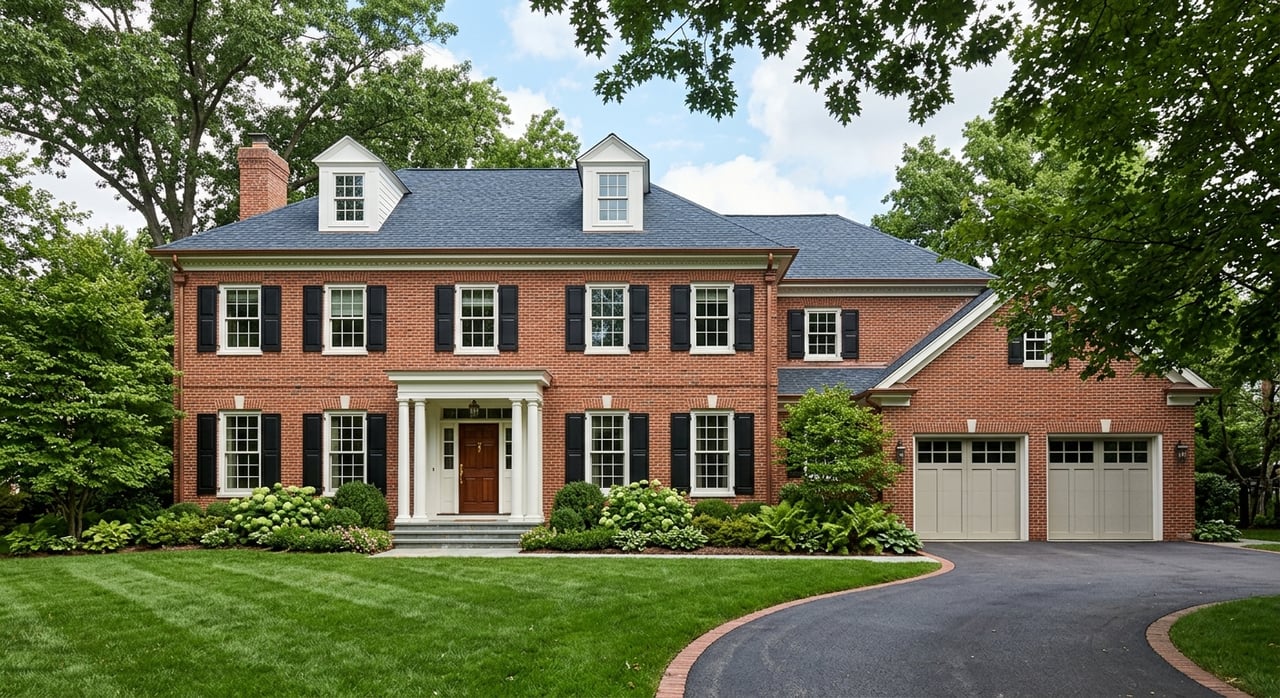
If you are considering Inverness, you are not shopping a typical suburban market. You are stepping into a quieter, estate-style village where land, privacy, and custom design play a major role in value. That can be exciting, but it also means you need a clear picture of pricing, inventory, and ownership costs before you make a move. Let’s dive in.
Inverness has a true estate-home identity
Inverness stands apart because it was planned as a low-density residential community, not a conventional tract-home suburb. According to the Village of Inverness history, the area was developed on about 1,500 contiguous acres, roads were designed to follow the rolling land, lot lines were shaped around natural contours, and a minimum lot size of one acre was established.
That history still matters today. It helps explain why Inverness feels more private and spacious than many nearby suburbs, and why homes here are often custom-built rather than highly standardized. The village also describes itself as a quiet, stable residential community with attractive homes, which matches what many buyers are seeking in this part of the northwest suburbs.
What luxury buyers can expect
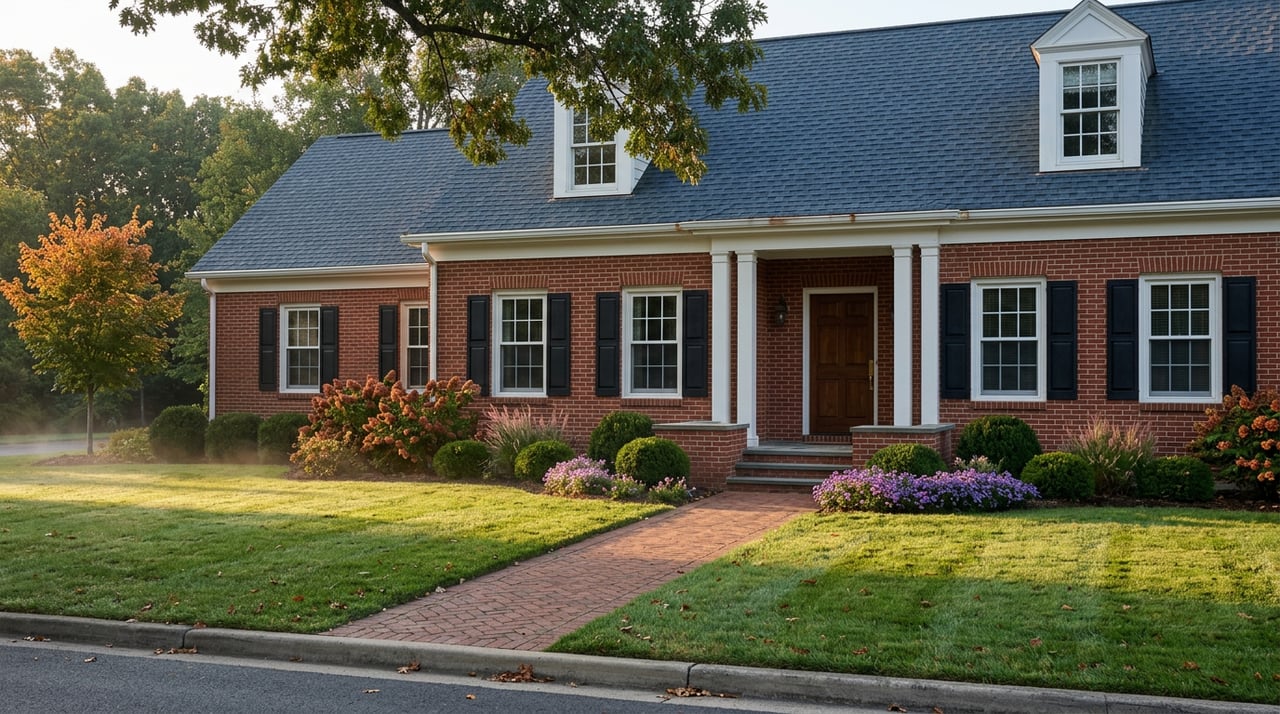
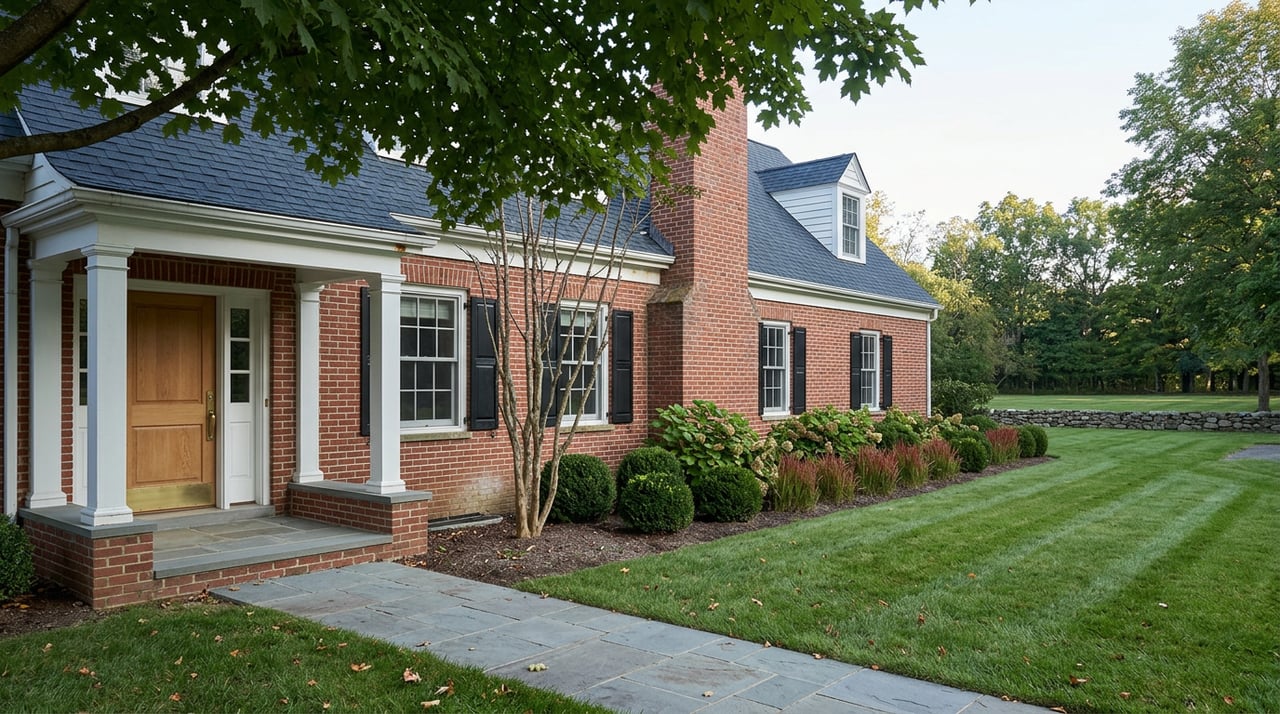
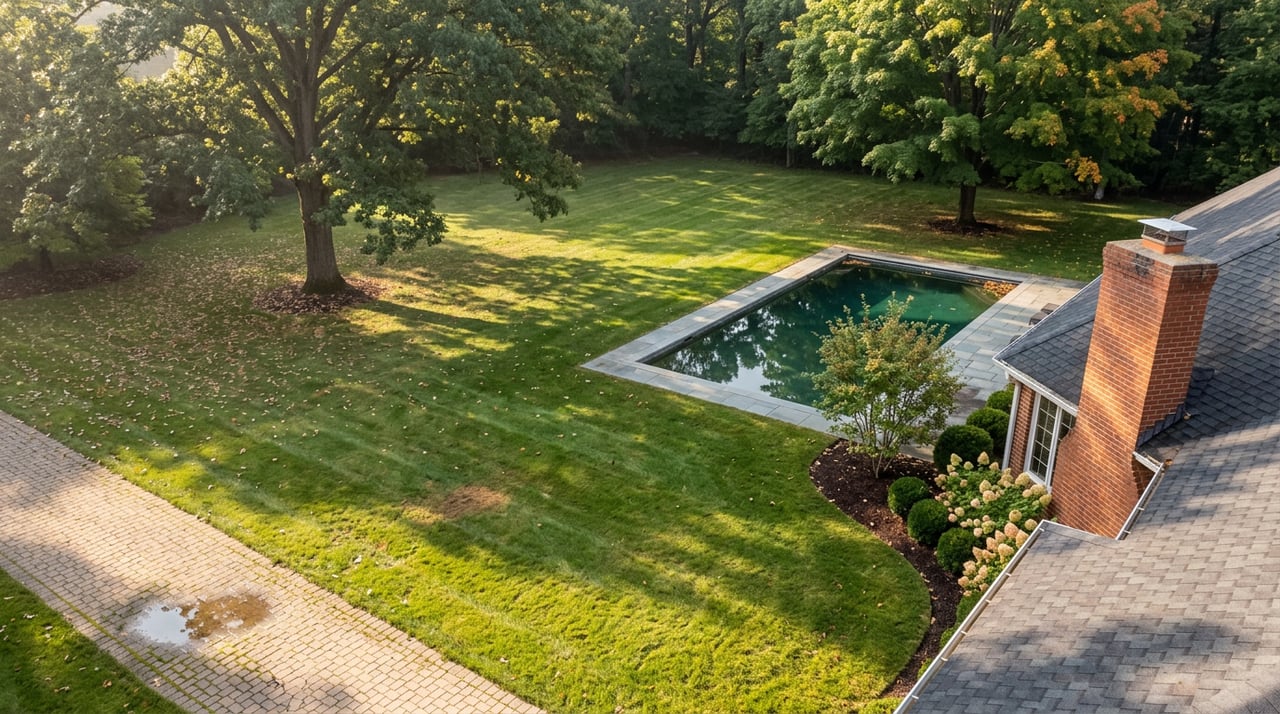
If you are searching for luxury property in Inverness, expect a market shaped by lot size and design. Current listing filters on Realtor.com’s Inverness big-lot search highlight common features such as large and wooded lots, 3+ car garages, basements, vaulted ceilings, gourmet kitchens, media rooms, wrap-around porches, ponds, lake views, boat docks, and updated open floor plans.
That feature mix gives you a useful snapshot of what “luxury” often looks like here. In Inverness, value is not just about bedroom count or square footage. Land, natural surroundings, privacy, and custom construction can carry just as much weight.
Custom homes are part of the market
Inverness is known for homes built for individual owners rather than cookie-cutter repetition. That creates more architectural variety and a stronger sense of one-of-a-kind property character.
It also means you may see wider differences from one listing to the next. Two homes with similar square footage can feel very different in setting, finish level, layout, and outdoor amenities.
Inventory is limited by design
This is a smaller market, and that affects both buyers and sellers. As of March 2026, Realtor.com’s Inverness market overview reports 26 active listings, with a median listing price of $879,900.
That is a much smaller pool than nearby suburbs. The same source shows 158 active listings in Palatine, 114 in Arlington Heights, and 189 in Schaumburg, which reinforces how selective and lower-volume the Inverness market is.
Price range in the Inverness estate market
One of the clearest ways to understand Inverness is to look at current active listings. Realtor.com examples place active homes at roughly $850,000 to $2.35 million, with sizes from about 4,000 to 10,000 square feet.
That range helps set expectations if you are entering the upper end of the market. It also shows why Inverness is often viewed as a premium option in the northwest suburbs, especially for buyers who want more land and more separation between homes.
Inverness sits above most nearby suburbs
Compared with nearby communities, Inverness is priced at a noticeably higher level. Realtor.com reports median listing prices of $374,900 in Palatine, $377,500 in Arlington Heights, about $325,000 in Schaumburg, and $695,000 in Barrington.
That comparison puts Inverness well above most neighboring northwest suburbs and closest to Barrington as a luxury peer, while still trending above it on current median list price. For you as a buyer, that means budget planning should account for the premium attached to lot size, privacy, and custom construction.
Market pace and competition
Luxury buyers often assume higher-end markets move slowly across the board, but Inverness does not fit a simple pattern. Different sources use different methodologies, yet they point to the same general conclusion: this is an upper-tier market with limited inventory and meaningful demand.
As of March 2026, Realtor.com reports 28 median days on market and labels Inverness a seller’s market. Zillow says the average home value in Inverness is $787,210, up 6.7% year over year as of March 31, 2026. Redfin reports homes sell in 55.5 days on average and close at about 95.1% of list price.
What that means for buyers
If you are buying, you should be prepared for a market where standout homes may attract quick attention. Limited inventory can reduce your options, especially if you have a short list of must-haves such as acreage, updated interiors, or water features.
At the same time, not every luxury listing will move at the same speed. In a custom-home market, pricing, presentation, lot appeal, and condition can influence timing more than in a more standardized neighborhood.
What that means for sellers
If you are selling, the current environment suggests opportunity, but strategy still matters. In a smaller luxury market, buyers compare homes carefully, and presentation can shape perception fast.
A well-positioned home with strong marketing, sharp pricing, and polished preparation can stand out in a meaningful way. That is especially true when buyers are weighing Inverness against other luxury-oriented northwest suburban options.
Ownership costs matter in Cook County
Luxury living is about more than the purchase price. In Cook County, property taxes are an important part of the total cost of ownership, and that matters even more when you are looking at higher-value homes on larger lots.
According to the Cook County Assessor’s property tax system overview, residential property is assessed at 10% of fair market value, while the final tax bill depends on assessments, appeals, exemptions, and local tax levies. The county also uses a triennial reassessment cycle, and homeowners may be able to pursue appeals or exemptions such as the Homeowner Exemption.
Higher values can mean higher carrying costs
The Cook County Treasurer’s 2024 tax bill analysis found that in suburban Cook County north of North Avenue, the median residential tax bill rose 3.4% to $7,503. While that figure is not specific to Inverness, it gives helpful context for buyers comparing long-term ownership costs.
For Inverness homes, larger lots and higher home values can lead to meaningful annual carrying costs before you even factor in insurance, utilities, and maintenance. If you are shopping at the upper end, it is smart to evaluate the full monthly and annual picture, not just the list price.
Building, renovating, and preserving value
Because Inverness has a managed custom-home environment, buyers should understand that updates and improvements may involve more oversight than in other areas. The village’s building permit guidance notes that projects must comply with lot zoning, code requirements, and HOA approvals where applicable.
The same rules also reference tree preservation on private property and private sewage disposal standards. For you, that means renovation potential can be exciting, but due diligence matters. If you are considering expansion, outdoor improvements, or major remodeling, it is important to understand the process early.
Who Inverness tends to attract
Inverness fits buyers who value privacy, land, and custom architecture more than dense-town convenience. Based on the village’s history, current demographic profile, and limited listing pool, it functions as a niche luxury suburb within the broader northwest suburban market.
Recent U.S. Census QuickFacts for Inverness show an estimated 7,428 residents as of July 2024, about 1,113 people per square mile, a median household income of $207,434, and a median owner-occupied home value of $715,600. Those numbers support the broader picture of Inverness as a high-value, low-density community.
Local areas buyers may notice
If you browse listings, you may come across area names such as Country Club Estates, Inverness on the Ponds, Wilburn Acres, Thornhill of Inverness, and Westbury. These names appear on Realtor.com’s Inverness overview and can help you get more familiar with how local inventory is presented online.
Because inventory is limited, each area may offer a different mix of lot shape, setting, and home style. That is one reason local guidance can be especially valuable in Inverness.
Final thoughts on Inverness luxury living
Inverness offers a very specific kind of suburban luxury. You can expect larger lots, custom homes, a smaller inventory pool, and pricing that reflects privacy and land as much as interior features.
If you are buying, that means preparing for a selective market where the right property may not come along every week. If you are selling, it means your home can benefit from strategic pricing, polished presentation, and strong marketing in a niche high-value segment. If you want help navigating Inverness with a responsive, hands-on local expert, connect with Ashlee Fox to request a free market consultation.
FAQs
What makes the Inverness real estate market different from nearby suburbs?
- Inverness is known for one-acre minimum lot history, custom-built homes, lower-density planning, and a smaller inventory pool than nearby suburbs like Palatine, Arlington Heights, and Schaumburg.
What price range should you expect in Inverness luxury real estate?
- Current active listing examples on Realtor.com range from about $850,000 to $2.35 million, with many homes offering roughly 4,000 to 10,000 square feet.
How competitive is the Inverness housing market right now?
- Current reporting shows limited inventory, a median 28 days on market on Realtor.com, and seller’s market conditions, though timing can vary by property style, condition, and pricing.
What property features are common in Inverness estate homes?
- Buyers often see large or wooded lots, 3+ car garages, basements, vaulted ceilings, gourmet kitchens, media rooms, wrap-around porches, ponds, lake views, and updated open floor plans.
What should buyers know about Inverness ownership costs?
- Beyond the purchase price, buyers should plan for Cook County property taxes, insurance, maintenance, and other carrying costs that can be significant for higher-value homes on larger lots.
What should you know before renovating a home in Inverness?
- Renovation or building projects may need to meet village zoning and code requirements, HOA approvals where applicable, and rules related to tree preservation and private sewage disposal standards.