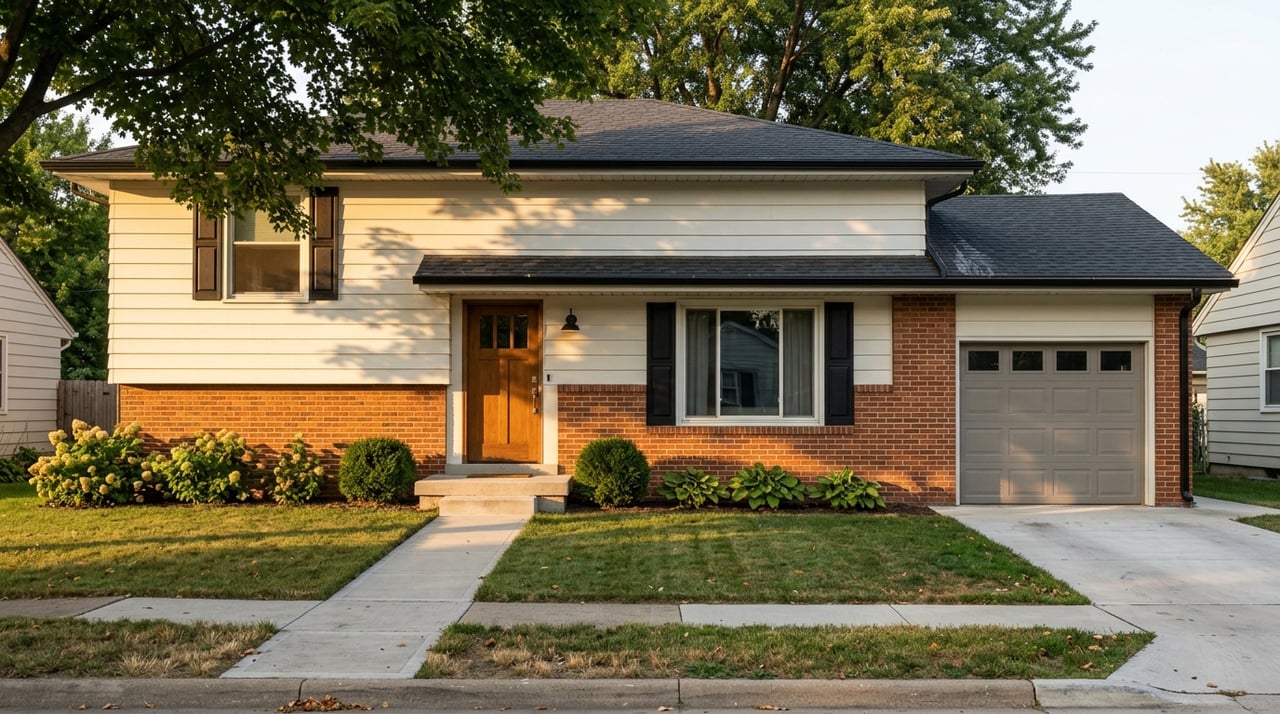
If you are shopping in Arlington Heights, one of the first surprises is how much the housing stock can vary from one block to the next. You might tour a character-filled bungalow, then see a split-level, a classic two-story, and a newer condo all in the same search. That can feel overwhelming at first, but it also gives you real options. This guide will help you understand the home styles you are most likely to see in Arlington Heights, how they tend to function in daily life, and what to compare before you make an offer. Let’s dive in.
Arlington Heights Housing at a Glance
Arlington Heights is a mature suburban market with a strong detached-home foundation. According to CMAP's 2019 to 2023 ACS snapshot, 54.3% of housing units are single-family detached, while 7.0% are single-family attached and about 38.8% are in buildings with two or more units.
That mix matters when you start your search. It means detached homes are the biggest part of the market, but townhomes, condos, and other attached options are also a meaningful part of what buyers will find.
The housing stock also leans older rather than brand new. The median year built is 1973, and only 2.5% of units were built in 2010 or later.
For you as a buyer, that means Arlington Heights is usually less about large new subdivisions and more about choosing between established home styles, updates, and redevelopment or infill opportunities. The Village's comprehensive plan specifically notes that future growth is expected to rely more on redevelopment and infill because there is very little undeveloped land left.
Why Home Style Matters
In Arlington Heights, square footage only tells part of the story. CMAP reports a median of 5.9 rooms per unit, with 31.0% of homes offering three bedrooms, 22.1% offering four bedrooms, and 5.3% offering five or more.
That is why layout matters just as much as size. Two homes with similar bedroom counts can live very differently depending on stairs, room placement, basement use, and whether the floor plan feels open or more segmented.
As you compare properties, it helps to focus on how you actually live day to day. Think about morning routines, storage needs, work-from-home space, and how often you want to go up and down stairs.
Bungalows in Arlington Heights
The Village of Arlington Heights specifically identifies the Chicago bungalow as one of the local architectural styles you may see. The Chicago Architecture Center describes the Chicago bungalow as a brick, one-and-one-half-story home above a basement, usually with a low-pitched hipped roof, wide overhangs, a porch, and generous windows.
These homes became especially popular in the 1920s, and that history still shows in their design. In practical terms, a bungalow often offers charm, solid construction, and a compact footprint.
For many buyers, the appeal is simple. You get a home with character and a layout that may involve fewer full flights of stairs than a classic two-story.
That said, it is smart to look closely at how the space is distributed. Because bungalows come from an earlier era, you may want to compare basement usability, upper-level ceiling height, and how much of the original layout has been updated for modern living.
What to look for in a bungalow
- Brick exterior and classic period character
- Main living spaces on a compact footprint
- Basement function and condition
- Upper-level usability, if finished
- Balance between preserved details and modern updates
Split-Levels and Tri-Levels
If you want more separation between living areas without committing to a full two-story layout, split-level and tri-level homes are worth a close look. The Village ties many ranch, split-level, tri-level, and related homes to the 1945 to 1980 expansion period.
A state historic preservation guide describes split-level homes as having staggered half-floor levels. These homes were especially common from the mid-1950s through the 1960s and 1970s, which fits Arlington Heights well given the village's growth patterns.
In daily life, a split-level often creates distinct zones for living, sleeping, and lower-level flex space. That can be helpful if you want separation without the full stair commitment of a traditional two-story home.
The trade-off is that the layout can feel more segmented. You may have shorter stair runs, but you will often still move between levels more often than you would in a ranch or some bungalow layouts.
What to compare in a split-level
- Number of interior levels and stair transitions
- Visibility between kitchen, living, and lower-level spaces
- Natural light on each level
- Lower-level ceiling height and function
- Bedroom placement relative to main living space
Traditional Two-Stories
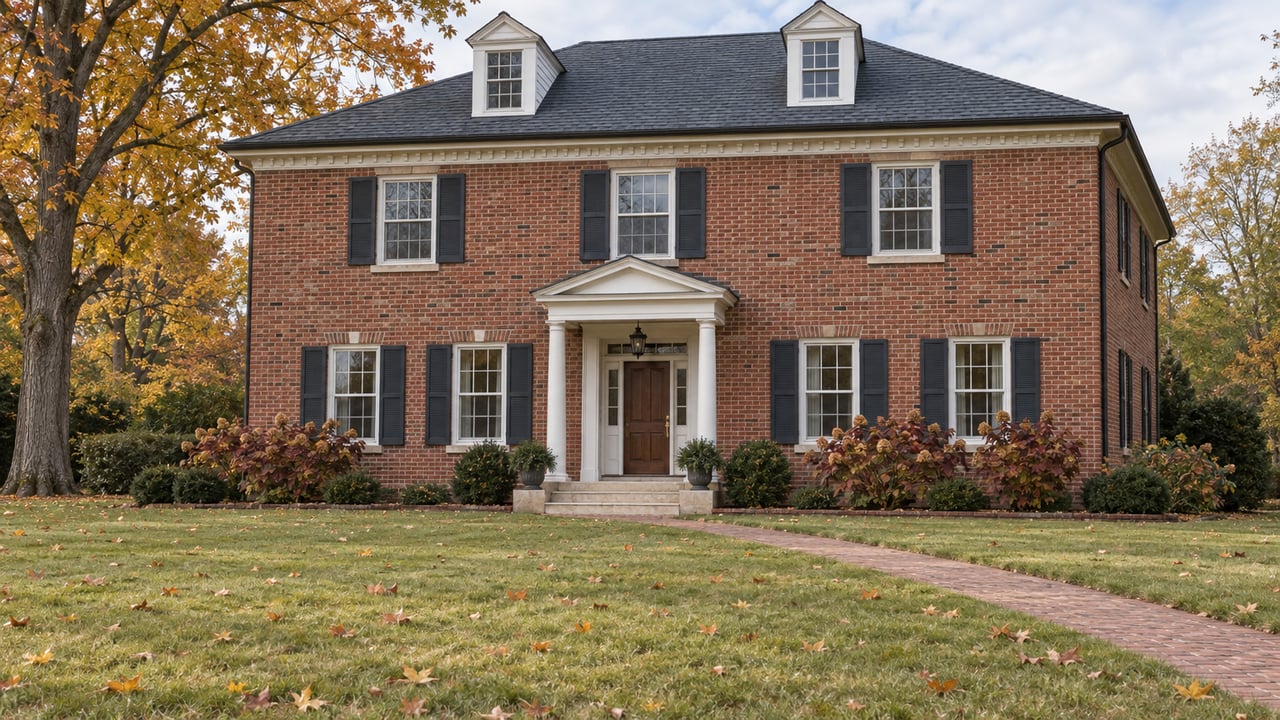
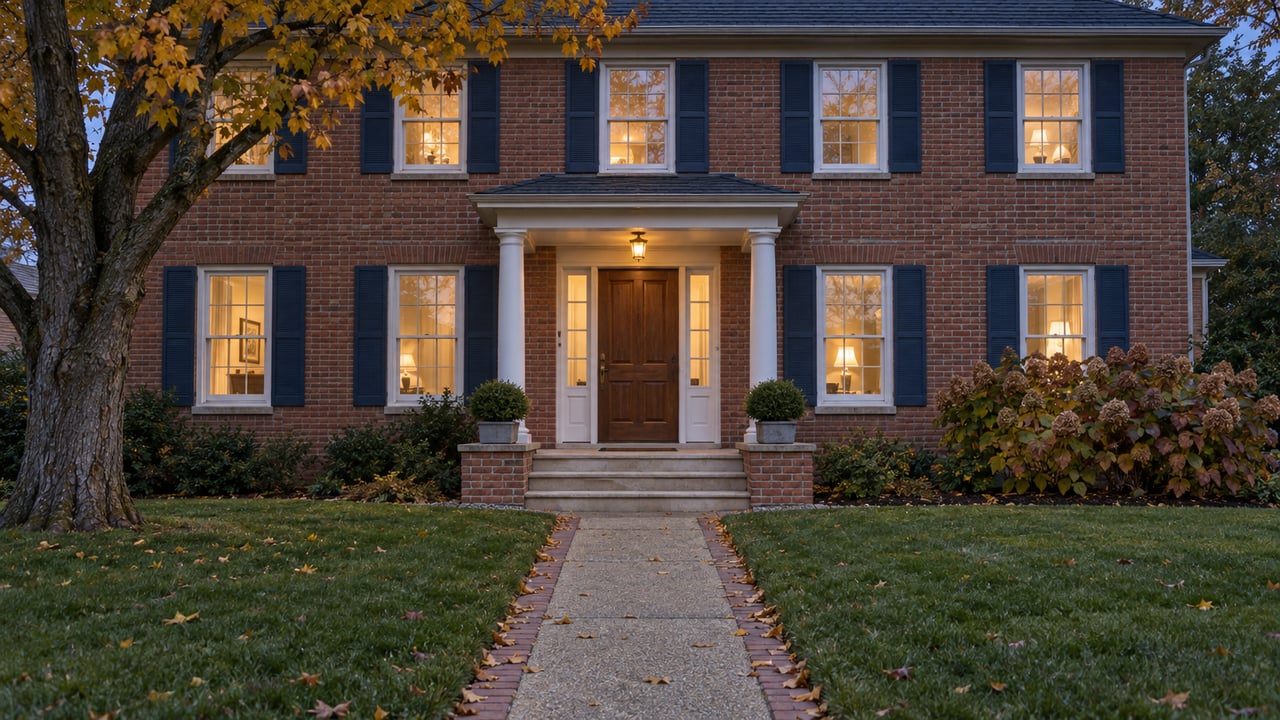
Arlington Heights also includes colonial, neo-colonial, Tudor Revival, and American Four Square homes, all of which connect to what many buyers think of as a traditional two-story option. These homes often align with a more familiar suburban layout, with main living areas on the first floor and bedrooms upstairs.
For many buyers, that setup is attractive because it can offer more bedrooms on a relatively efficient footprint. It also creates stronger separation between entertaining space and sleeping space.
The biggest advantage is predictability. If you already know you want bedrooms grouped on one level, a two-story often checks that box quickly.
Still, not all two-stories function the same way. In an older market like Arlington Heights, it is especially important to compare upper-level bath count, bedroom sizes, and whether the plan is largely original or has been renovated over time.
What to compare in a two-story home
- Stair count and daily convenience
- Bedroom grouping on the upper level
- Number and location of bathrooms
- Original floor plan versus updated layout
- Lot size relative to house footprint
Townhomes, Condos, and Attached Homes
Attached housing plays a clear role in Arlington Heights, even though it is not the dominant form. CMAP reports that 7.0% of the housing stock is single-family attached, and 34.6% is in buildings with five or more units.
The Village's comprehensive plan adds useful context here. It says that most housing added since 1980 came from townhouse, condominium, apartment, and senior-housing development, with much of the newer development since 1990 concentrated downtown.
For buyers, this means townhomes and condos are part of the Arlington Heights story, especially if you care about location or want less exterior responsibility than a detached home may require. These options are often a practical fit for buyers who prioritize convenience and lower-maintenance living.
Because attached housing varies widely, it helps to compare not just square footage but also building style, layout efficiency, and how the home fits into the surrounding setting. In a market shaped by redevelopment and infill, attached homes can look very different from one project to the next.
Attached home priorities to review
- Interior layout and bedroom separation
- Exterior maintenance responsibilities
- Parking and storage setup
- Building age and overall design style
- Location within downtown or other established areas
What Newer Construction Really Means Here
Many buyers ask for newer construction, but in Arlington Heights, that category is limited. CMAP shows that only 2.5% of housing units were built in 2010 or later.
That does not mean newer homes do not exist. It means they are the exception, not the rule.
In Arlington Heights, newer product is more likely to come from redevelopment or infill than from a large new subdivision. The Village's comprehensive plan makes that clear and also notes that new homes and additions are expected to consider neighborhood character, site layout, adjacency, bulk, massing, and materials.
So if newer construction is high on your list, timing and strategy matter. You may need to move quickly when the right opportunity appears, and you may also want to stay open to extensively updated older homes that deliver the function you want.
Which Style Fits Your Daily Routine?
The best home style is the one that matches how you actually live. Arlington Heights offers enough variety that you can usually find a strong fit, but it helps to be honest about your priorities.
If you want charm, a manageable footprint, and potentially fewer stairs, a bungalow may feel right. If you want more separation between spaces without going fully vertical, a split-level could be the better match.
If you want a more conventional layout with bedrooms grouped upstairs, a traditional two-story may be the clearest fit. If you care more about convenience, location, and lower exterior responsibility, a townhome or condo may make the most sense.
And if your must-have list starts with newer finishes or newer construction, it helps to remember that true newer inventory is limited here. In many cases, the right answer is not just picking a style. It is picking the right combination of layout, updates, and location.
A Smart Buyer Checklist
Before you choose between home styles, compare these practical factors first:
- Stairs: How many times will you use them every day?
- Bedroom count: Does the number and placement work for your household?
- Basement usability: Is it true living space, storage space, or something in between?
- Original vs. updated condition: What has been renovated, and what still reflects the home's original era?
- Layout flow: Does the floor plan support how you live now?
- Long-term fit: Will the style still work for you a few years from now?
These questions can quickly narrow your search and help you avoid focusing only on surface finishes. In a village with a broad mix of older housing types, that kind of clarity can save you time and help you make a more confident decision.
If you want help narrowing down which Arlington Heights home style fits your budget, routine, and long-term goals, Ashlee Fox offers a hands-on, concierge-level approach to buying in the northwest suburbs.
FAQs
What home style is most common in Arlington Heights?
- Detached single-family homes are the largest category, making up 54.3% of the housing stock according to CMAP.
Is Arlington Heights known for older homes or newer homes?
- Arlington Heights is mostly an established housing market. The median year built is 1973, and only 2.5% of housing units were built in 2010 or later.
Are split-level homes common in Arlington Heights?
- Yes. The Village connects split-level and tri-level homes to the major 1945 to 1980 growth period, so they are a recognizable part of the local housing mix.
Where do townhomes and condos fit in the Arlington Heights market?
- Townhomes and condos are part of the village's post-1980 growth story, especially in redevelopment and downtown-oriented development rather than as the dominant housing type.
What should Arlington Heights buyers compare first when choosing a home style?
- Start with stairs, bedroom count, basement usability, and how much of the home's character or condition is original versus updated.
Is newer construction easy to find in Arlington Heights?
- No. Newer construction exists, but it is limited. Only a small share of the housing stock was built in 2010 or later, so newer homes are more of a scarcity story than the norm.