Trying to decide between Barrington Village and the surrounding Barrington-area communities? The right choice often comes down to how you want to live day to day, not just what kind of house you want. If you are weighing walkability against privacy, rail access against acreage, or downtown convenience against a quieter setting, this guide will help you compare the tradeoffs clearly. Let’s dive in.
Barrington Village at a Glance
Barrington Village offers the broadest mix of housing in this local comparison. According to CMAP’s 2019 to 2023 profile, the housing stock includes 69.2% detached single-family homes, 9.9% attached single-family homes, and 20.1% housing in buildings with five or more units.
That mix matters if you want more choice in home style, lot size, and maintenance level. The village comprehensive plan notes housing that ranges from historic homes dating to the 1800s to newer options, including a 64-unit apartment project and a 61-unit townhouse subdivision.
Outlying Areas at a Glance
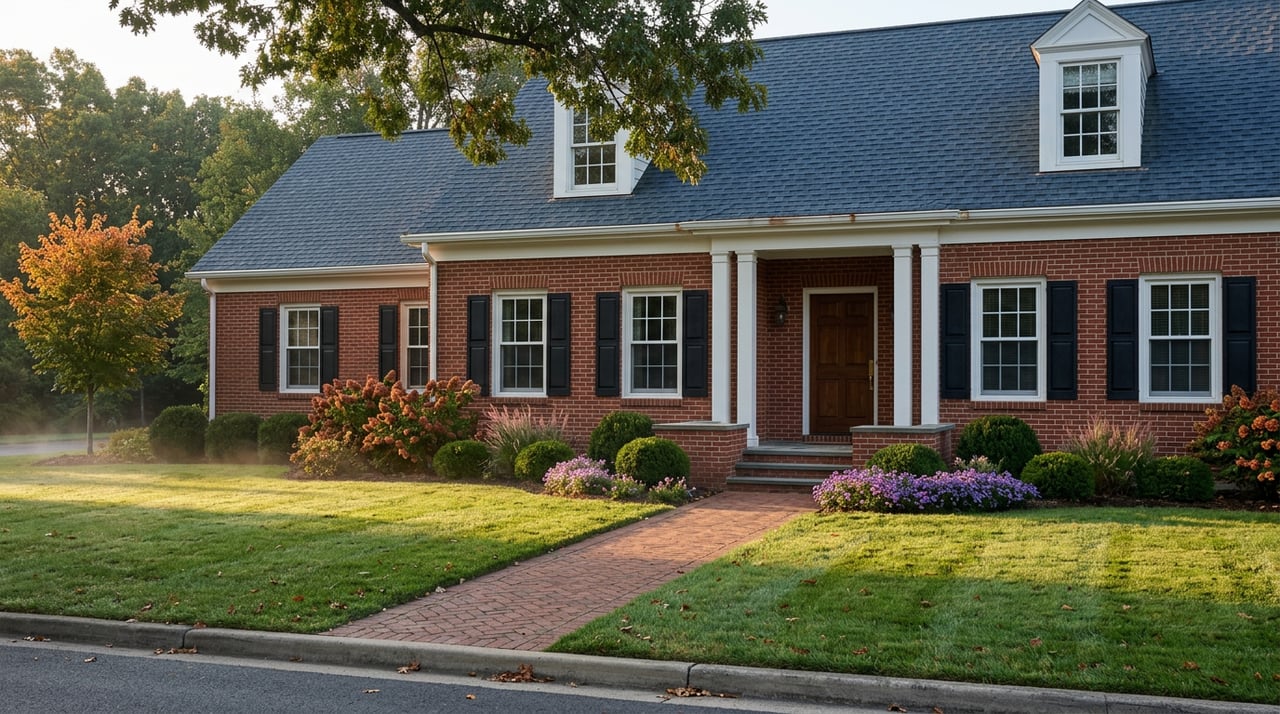
The outlying Barrington-area villages lean much more heavily toward low-density, single-family living. Barrington Hills, North Barrington, and South Barrington are all dominated by one-unit housing, with acreage, privacy, and road access playing a bigger role in the lifestyle than walkability or housing variety.
If you picture a larger lot, more separation from neighbors, and a more residential setting overall, these areas may feel like a better fit. The tradeoff is that you usually give up some of the village-center convenience that Barrington Village offers.
Housing Types and Lot Sizes
Barrington Village: More Variety
Barrington Village stands out for flexibility. The comprehensive plan describes neighborhoods with lots around 10,000 square feet, 15,000 square feet and larger, and 20,000 square feet or more.
For you as a buyer, that can open up more options within one community. You may find a historic home near the village core, a townhouse that offers lower exterior upkeep, or a detached home on a larger lot without leaving Barrington altogether.
Barrington Hills: Acreage and Privacy
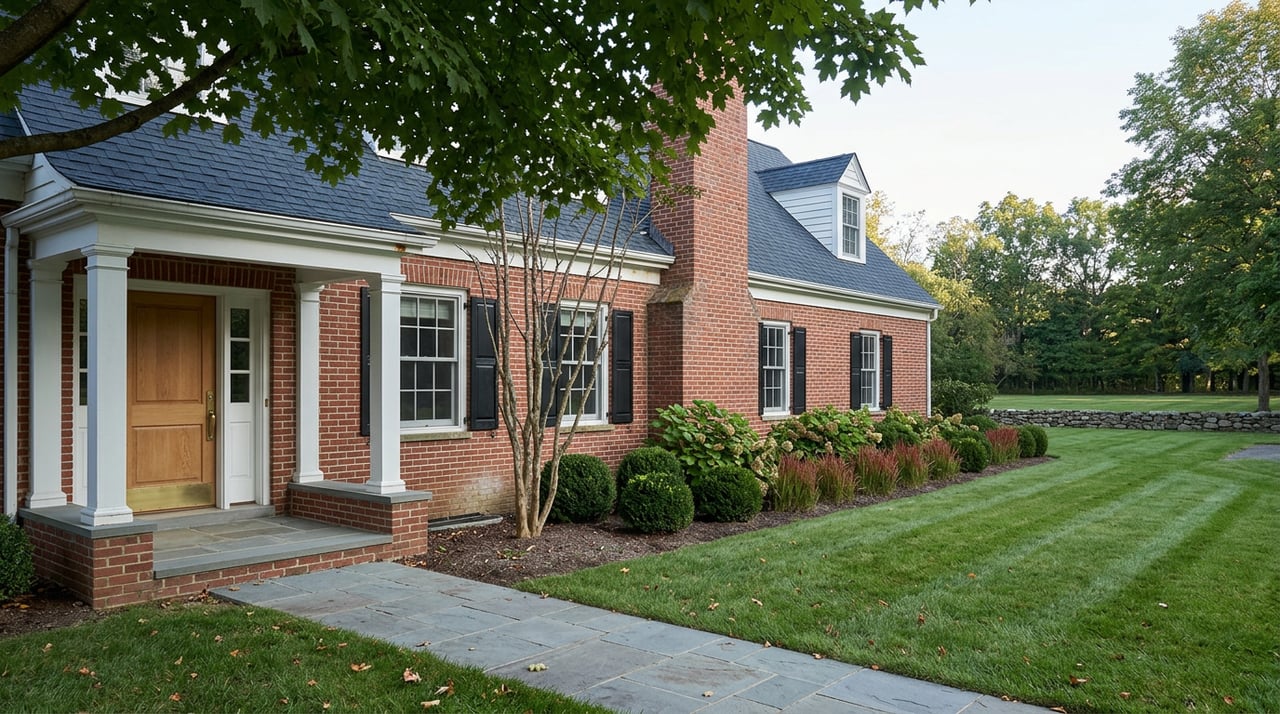
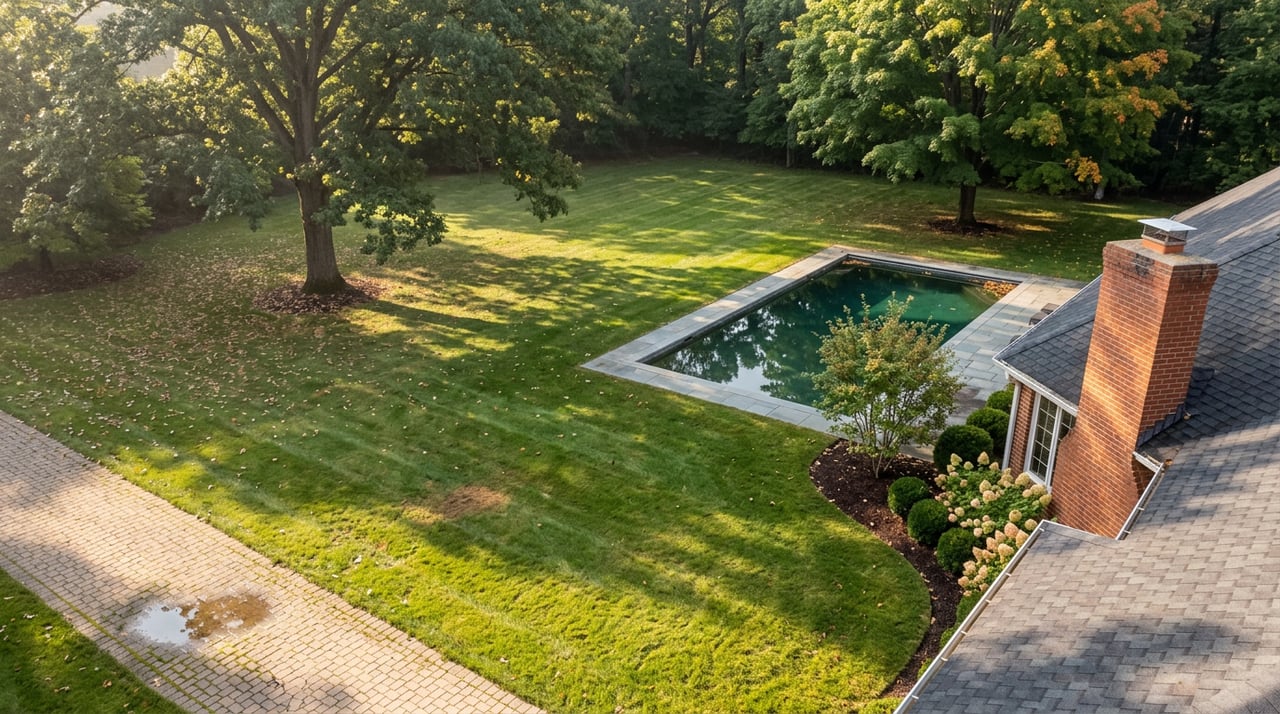
Barrington Hills is the clearest choice if land is a top priority. The village spans about 29 square miles, includes more than 4,722 acres of forest preserve, and notes that the majority of parcels are 5 acres or larger.
CMAP shows that 99.5% of housing units are one-unit structures. The zoning pattern reinforces the estate-style character, with a 5-acre R-1 residential district and a community identity built around privacy, tranquility, and equestrian or hobby-farm use.
North Barrington: Low Density With Some Range
North Barrington is also overwhelmingly single-family, with CMAP showing 99.0% one-unit housing. The village code includes lot patterns such as a 5-acre minimum in R-1, 2 acres in R-2, and 40,000 square feet in R-3.
That creates a low-density feel, but with a little more variation than a strictly acreage-only market. If you want a residential setting with larger lots but not always the largest parcels in the area, North Barrington may be worth a closer look.
South Barrington: Estate Feel With More Subdivisions
South Barrington remains heavily detached in character, with 98.9% one-unit structures in CMAP’s latest profile. Its zoning ranges from a 5-acre A-1 district to 2.5-acre A-2, 1-acre A-3, and 30,000-square-foot A-4 districts.
That means you can still find an estate-home feel, but with more subdivision choice and somewhat smaller-lot options than you may expect. The village also reports about 44 subdivisions, roughly 5,000 residents, and 43 private lakes and ponds within its approximately 7.6 square miles.
Commute and Transportation Tradeoffs
Barrington Village: Best Rail Access
If commuter rail matters to you, Barrington Village is the strongest option in this group. Metra’s Barrington station sits on the Union Pacific Northwest line and has 914 parking spaces.
CMAP transportation data show that 6.7% of commuters use transit, 56.1% drive alone, 31.9% work from home, and the mean commute is 32.5 minutes. The village also notes that it is about 40 miles northwest of Chicago.
South Barrington: Best Highway Access
South Barrington is more highway-oriented. The village highlights access to I-90 at Barrington Road and Route 59/Sutton Road, which can be important if you drive regularly for work or travel.
The village also notes Pace’s I-90 express bus connection at Barrington Road and says O’Hare is about 20 minutes east on I-90. If your routine depends more on the highway than on rail, South Barrington may line up better with your day-to-day needs.
Barrington Hills and North Barrington: More Car-Based Living
Barrington Hills and North Barrington read as more car-dependent settings based on their official descriptions and development patterns. These communities emphasize rural character, acreage, and residential privacy more than downtown rail service.
In practical terms, that usually means more driving for errands, commuting, or getting to a train station or major corridor. For some buyers, that is a small price to pay for space and quiet. For others, it becomes a daily factor quickly.
Amenities and Daily Life
Barrington Village: Downtown Convenience
Barrington Village has the most traditional village-center lifestyle. The village highlights its historic district, Barrington’s White House, shopping, dining, recreation, and bike and pedestrian planning.
If you want the best chance of living closer to restaurants, events, and a recognizable downtown, this is where Barrington separates itself from the outlying areas. That kind of convenience can shape how often you go out, how much you drive, and how connected you feel to local activity.
Barrington Hills: Outdoor-Oriented Living
Barrington Hills is strongest for buyers who want open space and room to spread out. The village points to forest preserves, horse trails, biking, hiking, and support for hobby farming and animal keeping.
That does not create a downtown-centered lifestyle, but it does create a very different kind of daily environment. If your ideal home includes land, trail access, or a more rural setting, Barrington Hills offers a distinct experience.
North Barrington: Wooded and Club-Oriented Setting
North Barrington brings a wooded residential feel with country-club influence. The village says two country clubs operate there, and its history references developments such as Biltmore Country Estates and Wynstone.
This helps explain the area’s estate and golf-course character. If you want a low-density setting that still feels tied to the broader Barrington area, North Barrington can offer that middle-ground appeal.
South Barrington: Retail and Entertainment Access
South Barrington has the most retail and entertainment convenience among the outlying villages. The village says the Arboretum of South Barrington includes shops, restaurants, and entertainment in an open-air setting.
The South Barrington Conservancy adds 35 acres of prairie and wetland with a community-park setting. If you like a more residential, subdivision-based environment but still want nearby shopping and dining, South Barrington may check more boxes than the other outlying options.
Which Area Fits Your Priorities?
The best choice depends on what you want your everyday life to feel like. Here is a simple way to think about the tradeoffs.
- Choose Barrington Village if you want the widest housing mix, downtown amenities, and the best rail access.
- Choose Barrington Hills if privacy, acreage, equestrian potential, and a rural feel matter most.
- Choose North Barrington if you want a low-density residential setting with some lot-size range and country-club character.
- Choose South Barrington if you want an estate-home feel with stronger highway access, more subdivisions, and convenient retail and dining nearby.
A Smart Way to Compare Homes
When you tour homes in these areas, try to compare more than price and square footage. Look at how the lot size affects maintenance, how often you would need to drive, and whether your routine works better with rail access, highway access, or a quieter residential setting.
This is especially important if you are relocating or narrowing down a move-up purchase. Two homes can seem similar online, but the lifestyle difference between Barrington Village and the outlying areas can be significant once you live there every day.
If you want help comparing options across Barrington, North Barrington, South Barrington, or Barrington Hills, Ashlee Fox can help you weigh the tradeoffs and find the right fit for your goals.
FAQs
What is the main difference between Barrington Village and Barrington Hills housing?
- Barrington Village offers more housing variety, including detached homes, attached homes, and multi-family options, while Barrington Hills is overwhelmingly single-family and centered on larger parcels, with most parcels reported as 5 acres or larger.
Which Barrington-area location has the best train access?
- Barrington Village has the strongest rail access because it is home to the Barrington Metra station on the Union Pacific Northwest line.
Which outlying Barrington area is best for highway access?
- South Barrington is the most highway-oriented option, with village-noted access to I-90 at Barrington Road and Route 59/Sutton Road.
How do lot sizes compare in North Barrington and South Barrington?
- North Barrington includes zoning districts with 5-acre, 2-acre, and 40,000-square-foot minimums, while South Barrington ranges from 5-acre districts down to 30,000-square-foot districts.
Is Barrington Village the best choice for walkability and downtown amenities?
- Barrington Village offers the strongest village-center environment in this comparison, with shopping, dining, cultural programming, recreation, and bike and pedestrian planning highlighted by the village.
Which Barrington-area community offers the most outdoor space and acreage?
- Barrington Hills stands out for outdoor-oriented living, with more than 4,722 acres of forest preserve and a community character built around privacy, land, and equestrian or hobby-farm use.