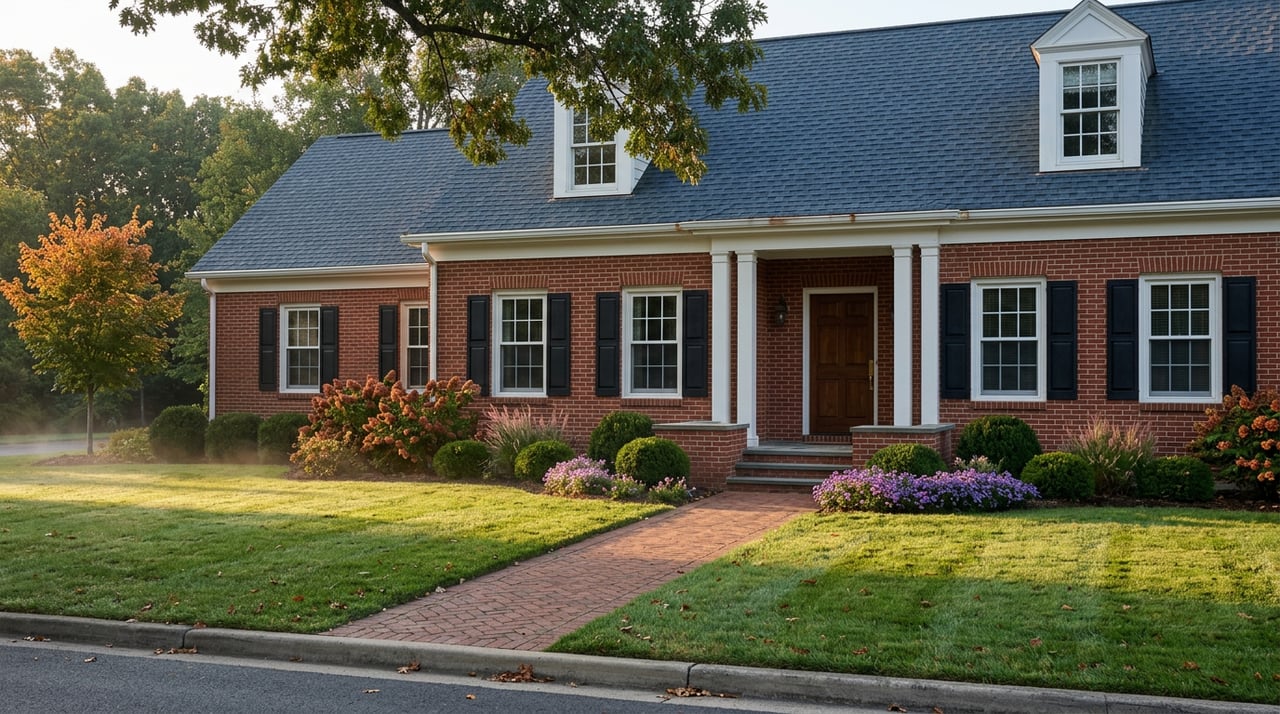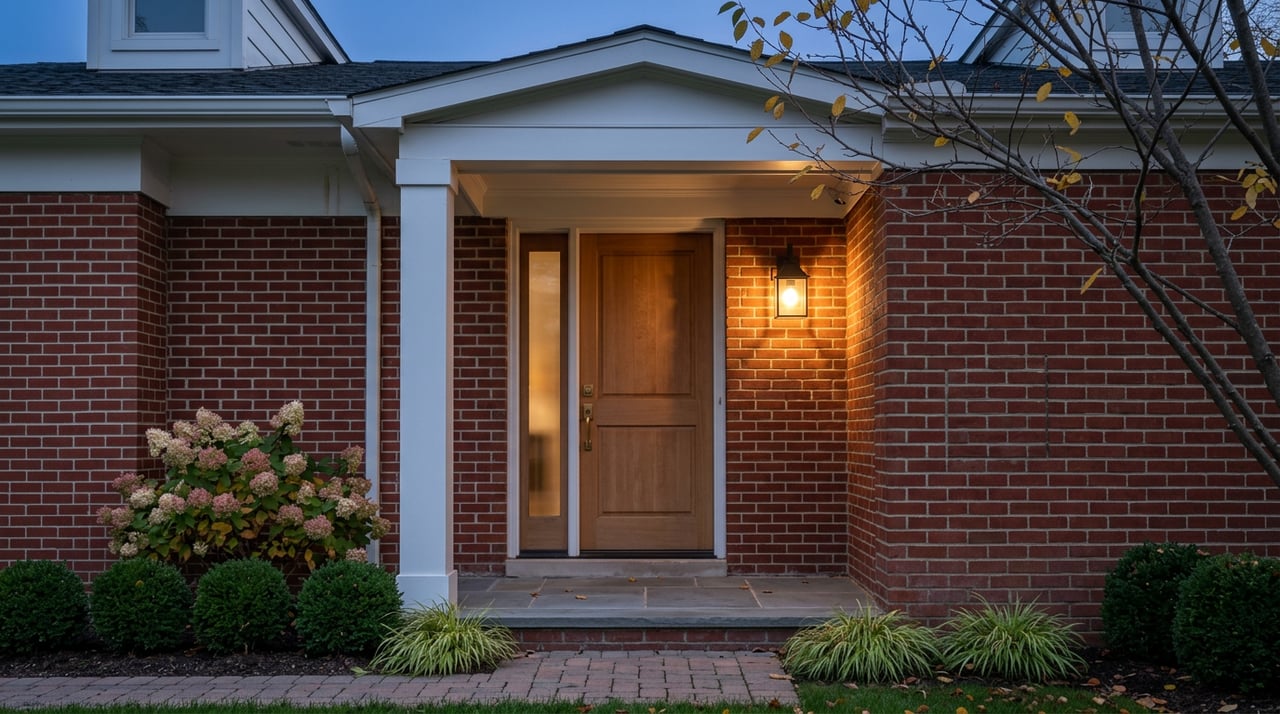
Craving a little more space than your Chicago place can offer? You are not alone. Many city residents look north and west for a yard, a garage, and a different pace. If you are thinking about Barrington, Arlington Heights, Palatine, Lake Zurich, Inverness, or Kildeer, this guide gives you a clear plan. You will learn how to map your timeline, tour homes remotely, research schools and commutes, decide whether to sell or rent your condo, and understand how a connected agent coordinates the move. Let’s dive in.
Plan your move timeline
A smooth move starts with a realistic schedule. Use these checkpoints as a starting point and adjust for your lease, financing, and the pace of the market.
3+ months out
- Decide whether to sell or rent your Chicago condo. Pull recent sale and rent comps and ask a local agent for a market analysis. You can track broader trends with the Chicago Association of REALTORS reports, Zillow Research, and Redfin’s Data Center.
- Start mortgage pre-approval with a lender who understands city-to-suburb timing and can coordinate closings across Cook County and nearby suburbs.
- Begin neighborhood research for your target towns. Focus on taxes, commute options, services, and HOA rules. Keep a running list of must-haves and nice-to-haves.
6–8 weeks out
- Book virtual or in-person tours for a shortlist of homes. Request floor plans, tax records, HOA documents, recent utility bills, and seller disclosures in advance.
- If selling your condo, declutter and plan professional photos. Set a pricing strategy with your agent.
- If renting your condo, review the City of Chicago’s landlord rules and any licensing needs on the city portal. Get quotes for professional property management if you want hands-on help.
2–4 weeks out
- Align closing dates for your sale and purchase. If timing does not match, secure short-term housing or a rent-back agreement where possible.
- Set up utilities, trash, and internet at your new address. Confirm broadband service and speeds with local providers.
- Book movers and obtain written estimates. Lock in elevator reservations if your condo requires them.
1 week to moving day
- Complete final walk-throughs. Confirm repairs and inspection items.
- Transfer keys, documents, and mail forwarding. Update your driver’s license and voter registration where needed.
- Prepare a day-one box with essentials like tools, chargers, and documents.
Remember the suburban checklist: water, gas, electric, trash, sewer, snow removal, lawn care, and homeowners insurance. These services and obligations vary by village and HOA.
Compare northwest suburbs
Each town offers its own mix of housing, transit, and services. Always verify details by address, especially schools and transit access.
- Barrington. Single-family homes are common, with service from the Metra UP-NW line nearby. Check low-lying areas against the FEMA Flood Map Service Center before you bid.
- Arlington Heights. A walkable downtown core near Metra attracts many buyers. Multiple elementary districts serve different areas, so verify school assignment by street.
- Palatine. Access to the UP-NW line and a range of neighborhoods at varied price points. Confirm which high school your address feeds into.
- Lake Zurich. Lake-influenced neighborhoods and Community Unit District 95 serve many addresses. Some areas sit farther from Metra, so plan for driving or shuttles.
- Inverness and Kildeer. Larger lots and lower density in places. Transit may be limited. Some properties may have septic rather than sewer; confirm utilities before you buy.
Smart remote touring
You can see and verify a home without being on site. Build these steps into your plan.
- Do a live video walkthrough. Ask the agent to show storage, window views, appliances running, and known defects. Request daytime and nighttime street videos.
- Review 3D tours and floor plans. Ask for downloadable files and laser-measured plans if you need to confirm furniture fit.
- Collect documents. Seek seller disclosures, recent utility bills, HOA budgets and meeting minutes, the condo association insurance certificate, and any reserve studies.
- Hire local inspectors. Use an independent inspector and attend remotely. If the general inspection flags concerns, order specialist checks for sewer, HVAC, roof, or mold.
- Verify the block and commute. Use Google Street View, call local non-emergency police for general crime statistics, and compare rush-hour videos to off-peak.
- Protect your contract. Include contingencies tied to inspection findings and HOA document review.
Schools and enrollment steps
School boundaries can be complex. The safest method is to verify by address through the district.
- Check state data. Review performance metrics on the Illinois State Board of Education report cards.
- Compare third-party perspectives. Read parent reviews and context on GreatSchools and Niche. Use this as one input, not the only one.
- Confirm enrollment rules. Districts often require proof of residency like a lease or mortgage statement and recent utility bills. Some districts audit residency, so plan your documentation early.
- Know common districts. Barrington addresses often fall in Barrington 220; Palatine addresses often connect to District 15 and High School District 211; Arlington Heights addresses feed multiple elementary districts and Township High School District 214; Lake Zurich is often District 95. Always verify by address with the district.
Commute reality check
Understand your options before you commit to a town or a specific block.
- Metra. The UP-NW line serves many northwest suburbs. Review stations, parking rules, and frequencies on the Metra schedules and maps. Permit parking can fill early in some villages.
- Pace Bus. Many suburbs offer local and regional service. Check routes and frequencies on Pace Suburban Bus.
- Driving. I-90, I-294, and IL-53 are common routes. Use the Illinois Tollway for travel-time estimates and road updates. Expect rush-hour variability and plan a few test drives at your typical commute times.
- First and last mile. Consider how you will get from the station to your workplace and back. Factor in parking costs, rideshare, or shuttle options.
Sell or rent your city condo
Both paths can work. Run the numbers and check your rules before you choose.
Selling: pros and cons
- Pros. Convert equity to your down payment, simplify to one property, and reduce ongoing maintenance.
- Cons. You will have transaction costs and the timing may not align perfectly with your purchase.
Renting: pros and cons
- Pros. Potential rent can offset costs and you keep a foothold in the city. You can delay a sale until market conditions fit your goals.
- Cons. You take on landlord duties, turnover, and vacancies. Chicago has specific landlord requirements you must follow. Start with the Chicago municipal site for licensing and compliance. Property management can run about 8 to 12 percent of rent, plus leasing fees.
Run a quick rental worksheet
Estimate your expected monthly rent, then subtract:
- Mortgage payment, property tax, and insurance.
- HOA dues and any special assessments.
- Property management fees and a maintenance reserve.
- Vacancy allowance at 5 to 10 percent.
- Capital expenditure reserve for larger repairs.
Check your condo association rules for rental caps or waiting periods, and any required forms or fees. Review your property taxes and assessments with the Cook County Assessor and Cook County Treasurer. For current market context and trends, use Zillow Research and Redfin’s Data Center alongside your agent’s comps.
How your agent coordinates
A connected, local agent can streamline a two-part move.
- Market prep and sale. Your agent can deliver a market analysis, guide staging and photography, and manage showings and open houses.
- Buyer representation. Expect targeted searches, neighborhood orientations, negotiation, and representation during inspection and closing.
- Relocation network. Large brokerages like Berkshire Hathaway HomeServices offer referral networks, preferred vendors, and relocation resources that help coordinate lenders, inspectors, attorneys, and title companies.
- Two-transaction timing. Your agent can help structure contingencies, explore temporary housing, and coordinate simultaneous closings when possible.
- Vendor referrals. Ask for trusted movers, cleaners, contractors, inspectors, and property managers in both the city and the suburbs.
Agents do not set legal rules, so confirm residency, tax, and landlord-tenant requirements with official municipal or county offices. Always verify third-party vendor credentials and obtain multiple quotes.
Final checklist
- Get pre-approved and confirm your budget with today’s rates.
- Shortlist suburbs and verify schools, taxes, and transit by address.
- Plan remote tours and collect disclosures, HOA documents, and utility bills.
- Price and prep your condo to sell or line up landlord compliance if renting.
- Hire inspectors and use strong contingencies tied to inspection and HOA review.
- Align closing dates, book movers, and set up utilities and internet early.
- Prepare documentation for school enrollment and residency.
Ready to map your move with a local advocate who understands both the city and the northwest suburbs? Connect with Ashlee Fox for a practical plan and a responsive, concierge process from first tour to closing.
FAQs
How long is the commute from Barrington to downtown Chicago?
- Check the UP-NW line on the Metra schedules and test drive-time estimates during your typical rush hour using live traffic tools.
How do I verify school assignments for a specific address?
- Confirm with the district and review state data on the Illinois State Board of Education; you can also read perspectives on GreatSchools and Niche.
Can I buy a suburban home remotely while I am still in the city?
- Yes; use live video tours, request full disclosures and HOA docs, arrange local inspections, and coordinate a remote closing with your lender and title company.
What documents do I need to enroll my child in a suburban school?
- Districts typically ask for a lease or mortgage statement, recent utility bills, and proof of identity; verify the exact list with the district in advance.
Should I sell or rent my Chicago condo when I move?
- Compare net rental cash flow to sale proceeds after costs, check HOA rental rules, and review landlord requirements on the Chicago municipal site before deciding.