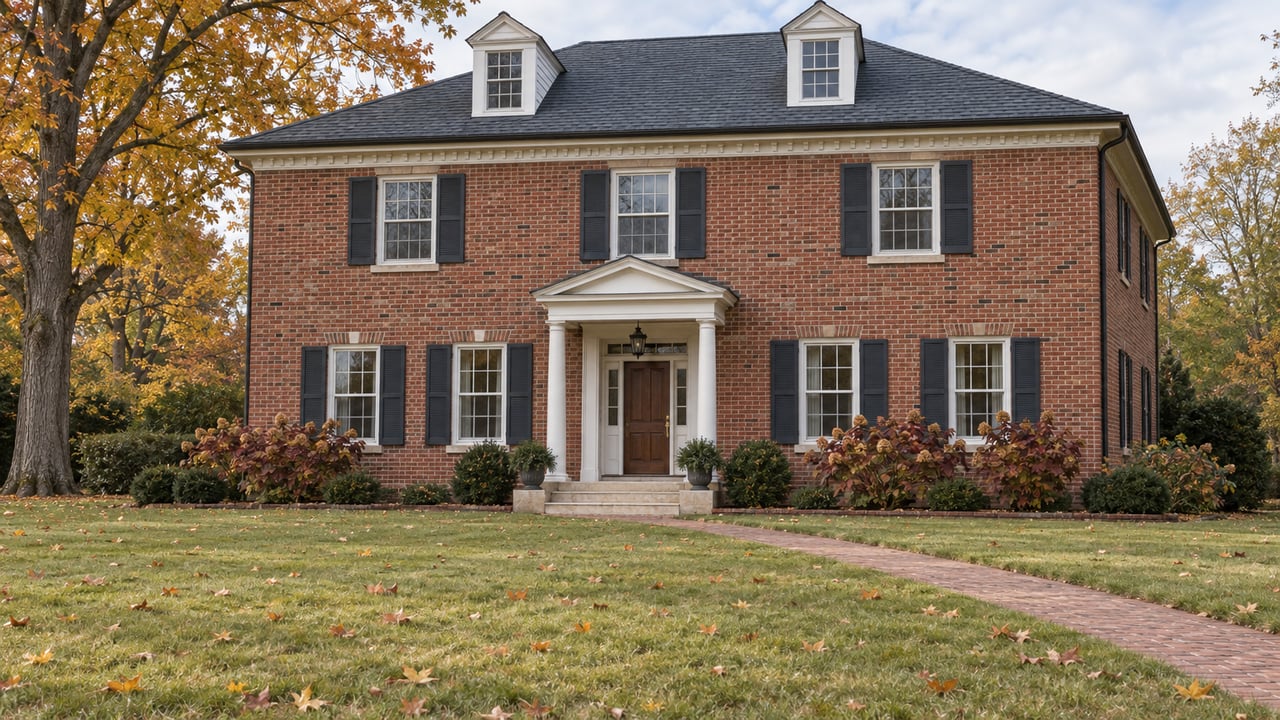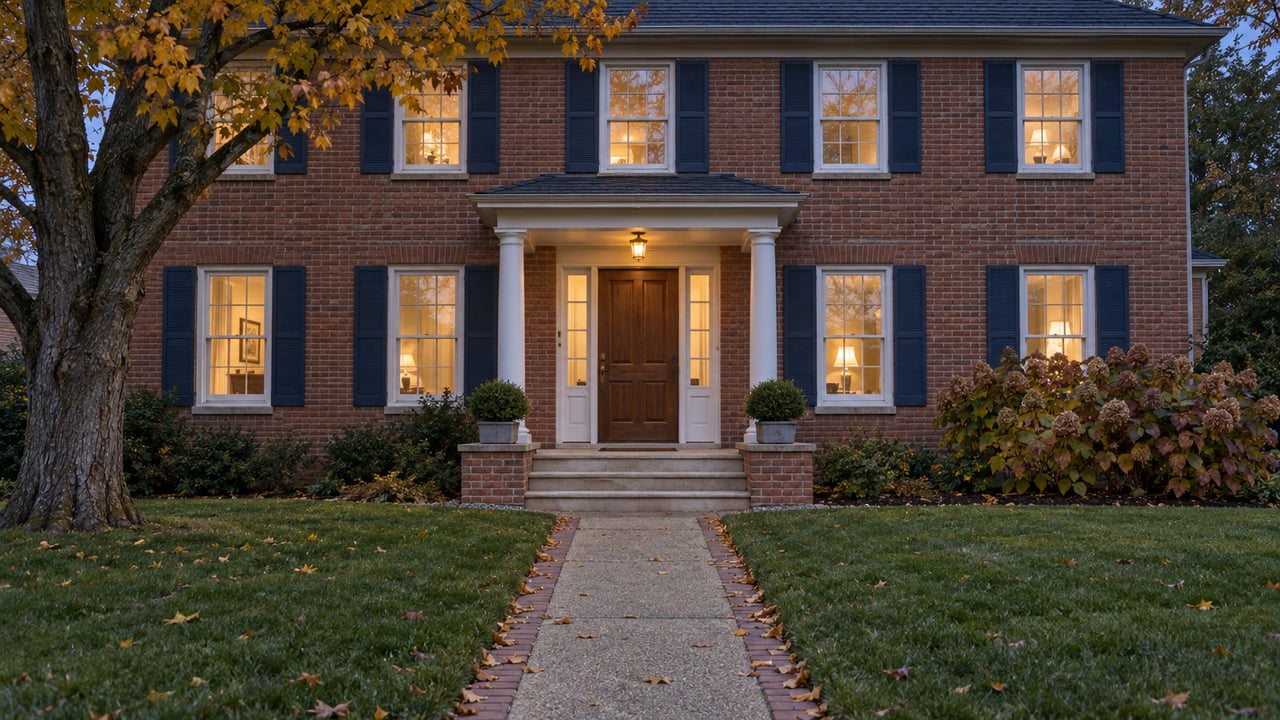
Picture two brick Colonials in greater Barrington, similar square footage, similar lot, similar list price. A buyer comparing them on paper would expect the ongoing cost of owning either one to land in roughly the same place. It often doesn't. One of those homes can carry a property tax bill that runs several thousand dollars a year higher than the other, and the difference has nothing to do with the house. It comes down to which side of a county line the parcel happens to sit on.
That line runs straight through the Barrington area, and most people never think to ask about it until they're staring at a tax bill that doesn't match what they expected.
Two Counties, One ZIP Code
The Village of Barrington itself sits across two counties: Cook and Lake. A home on one street can be a Cook County parcel, and a home a few blocks over can be assessed and taxed through Lake County instead, even though both carry a Barrington address and both feed into the same school district conversations buyers care about.
Each county runs its own assessment office, its own equalization math, and its own Board of Review. The Village of Barrington's own property tax page spells this out plainly for residents: your bill is calculated and paid through whichever county your specific parcel falls in, and the two systems don't share a calendar or a process.
Here's what that split actually looks like when you line the two counties up side by side:
| Cook County | Lake County | |
|---|---|---|
| Countywide average effective rate | About 1.89% | About 2.43%, among the highest in Illinois |
| Reassessment cycle | Cook County Property Tax Reform Group: Triennial (every 3 years by township group) | Cycle tied to township-by-township publication |
| Appeal process | Abode Money's guide: Two-tier: file with the Assessor, then the Board of Review | Lake County Board of Review: File with the Board after township publication |
| Appeal window | AppealDesk: 30 days from the township's mailed notice | Lake County: 30 days from the township's published assessment |
| Filing tool | SmartFile online portal | SmartFile online portal (five townships use a separate system) |
Those effective rates are countywide averages, not a Barrington-specific promise, but they're the rates published by SmartAsset's Illinois property tax breakdown, and they translate into real dollars fast. On a $600,000 home, the gap between 1.89% and 2.43% works out to roughly $3,200 a year, money that has nothing to do with finishes, lot size, or how recently the kitchen was updated.
How 2025 Assessments Affect Bills This Year
The Cook County side of Barrington isn't running on old numbers either. Cook County Assessor Fritz Kaegi's office released initial 2025 assessments for Barrington Township on July 3, 2025, and the Assessor's own release on Barrington Township values is worth reading directly if you own or are about to buy on that side of the line. The appeal window for that reassessment closed August 15, 2025. Those certified values are what's showing up on second-installment tax bills this year, and under the county's three-year cycle, Barrington Township won't see another full reassessment until 2028.
The release also included a number worth sitting with: the median sale price for single-family homes in Barrington Township in 2024 was $734,000, while the Assessor's median market value estimate for that same property class came in at $803,000. That's a real gap between what homes were actually selling for and what the county's model says they're worth, and it's the kind of gap that shows up directly on a tax bill regardless of what a listing price says. If you're comparing a Cook County parcel to a Lake County one, the assessed value driving the bill isn't a neutral number pulled from the sale price. It's the county's own estimate, and that estimate can run ahead of or behind the market depending on which side of the line you're standing on.
A house doesn't know which county it's in. The tax bill does.
The Four-County Version: Barrington Hills
If two counties sounds complicated, Barrington Hills raises the stakes further. The village stretches across Cook, Kane, Lake, and McHenry counties, making it one of only three municipalities in Illinois with land in four different counties, alongside Aurora and Centralia, according to the village's entry on Wikipedia. A five-acre estate lot there can sit entirely in one county or straddle two, and each county brings its own assessor's office, its own equalization factor, and its own Board of Review timeline.
Even within a single county, the fragmentation doesn't stop at the county line. School, park, fire, and library district boundaries cut across these villages too, so two homes on the same side of the same county line can still land in different taxing bodies with different combined rates. The county line is the first layer of the puzzle, not the whole picture.
Why This Matters When You're Comparing Two Listings
For a buyer treating "Barrington" as a single market, this is the detail that changes the math on a real comparison:
- Ask which county the parcel sits in before comparing carrying costs, not after you're under contract
- Pull the actual PIN and look up the current assessed value rather than relying on a portal's tax estimate, which often lags or averages
- If you're comparing a Cook County home to a Lake County one, build the tax difference into your monthly cost comparison the same way you'd compare HOA dues or insurance
- Know that a Cook County parcel's assessed value only resets every three years, while appeals are still available in off-years if you have a case
- For homes in Barrington Hills, confirm which county or counties a lot actually touches before assuming a neighboring estate's tax history tells you anything about yours
For sellers, the same mechanism cuts the other way. If your home sits on the lower-tax side of the line, that's a genuine selling point worth quantifying rather than leaving buyers to discover it on their own during due diligence. If it sits on the higher-tax side, pricing strategy and marketing need to account for the fact that a sophisticated buyer's agent will run this comparison whether you bring it up or not. A Barrington-area home valuation that accounts for the parcel's actual county and township, not just its address, gives sellers a more honest starting point for pricing conversations.
This is also why comparing "Barrington" to nearby unincorporated areas or neighboring villages isn't as simple as comparing price per square foot. The tradeoffs between village living and the outlying estate areas around it go beyond taxes, and that broader comparison is worth its own look if you're weighing Barrington's village core against its outlying areas.
A Few Direct Questions
Does the county affect my mortgage approval? No. Lenders underwrite based on the property's value and your finances, not which county collects the tax bill. The county line affects your ongoing carrying cost, not your ability to get approved.
Can I ask a seller which county a listing is in before I tour it? Yes, and you should. It's a factual question about the parcel, not a subjective one, and any agent representing the listing should be able to confirm it or point you to the PIN.
If you're comparing homes across greater Barrington and want the tax picture explained parcel by parcel rather than by ZIP code, that's exactly the kind of homework Ashlee Fox walks buyers and sellers through before an offer goes in. Browse current Barrington homes for sale or request a free market consultation to talk through what a specific address actually costs to own.
This article is general information, not legal, tax or financial advice. Consult a qualified professional about your situation.